
日期:2026-10-24
浏览:7
Application of fumed silica in optoelectronic materials
The primary particle size of fumed silica (fumed white carbon black) is between 7-80 nm, with a specific surface area of 50-380 m ²/g, and the surface is rich in silicon hydroxyl groups. Its key optical characteristic is a refractive index of approximately 1.45~1.46, which is very close to the refractive index of most optical resins such as acrylic esters and siloxanes. Therefore, it will not cause significant light scattering or haze in transparent systems, and can accurately control the optical, rheological, and durability properties of the coating without affecting transparency.
It is mainly used in anti reflective (anti reflective) coatings, fiber optic coatings, LED packaging, and microlenses in optoelectronic coatings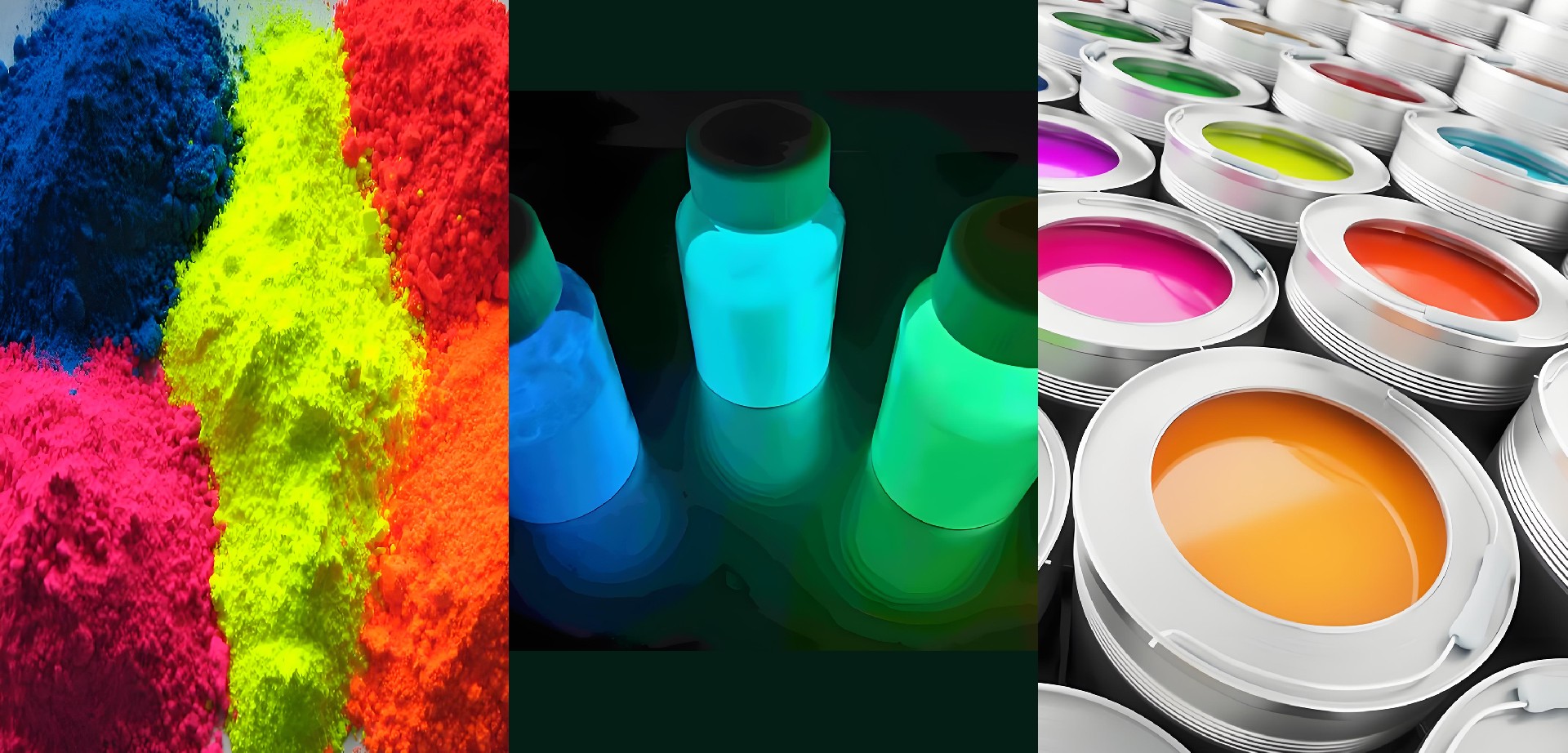
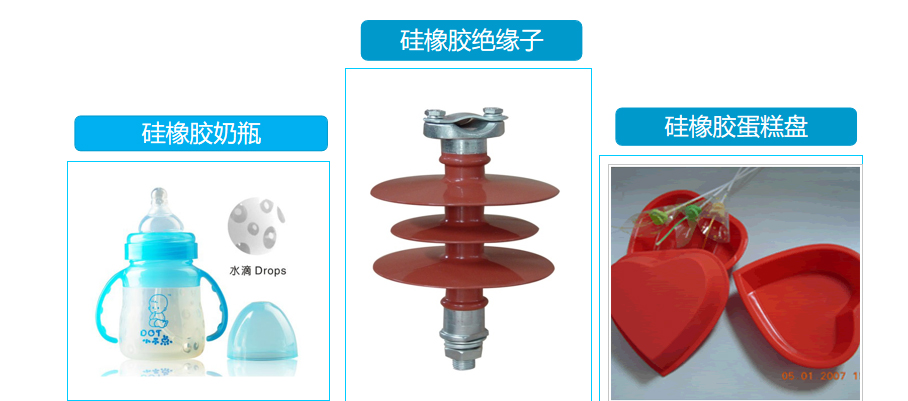
The application of fumed silica in silicone rubber products.
The silicon hydroxyl groups (Si OH) on the surface of gas-phase white carbon black can form physical or chemical bonds with the molecular chains of silicone rubber, forming an adsorption layer of "silica particles rubber molecules". This provides additional cross-linking centers for the micro network of silicone rubber, forming "concentrated cross-linking points". When the material is subjected to external forces, these cross-linking points can effectively disperse stress, thereby significantly improving strength and tear resistance. In liquid adhesives, gas-phase white carbon black mainly plays a thickening and thixotropic role, endowing the colloid with excellent anti sagging properties, making it easy to apply on facades or slopes. The dispersion state is crucial, and the optimal dispersion should form a complete three-dimensional network structure, presenting a "donut shaped" dispersion effect to ensure high viscosity and excellent thixotropy.
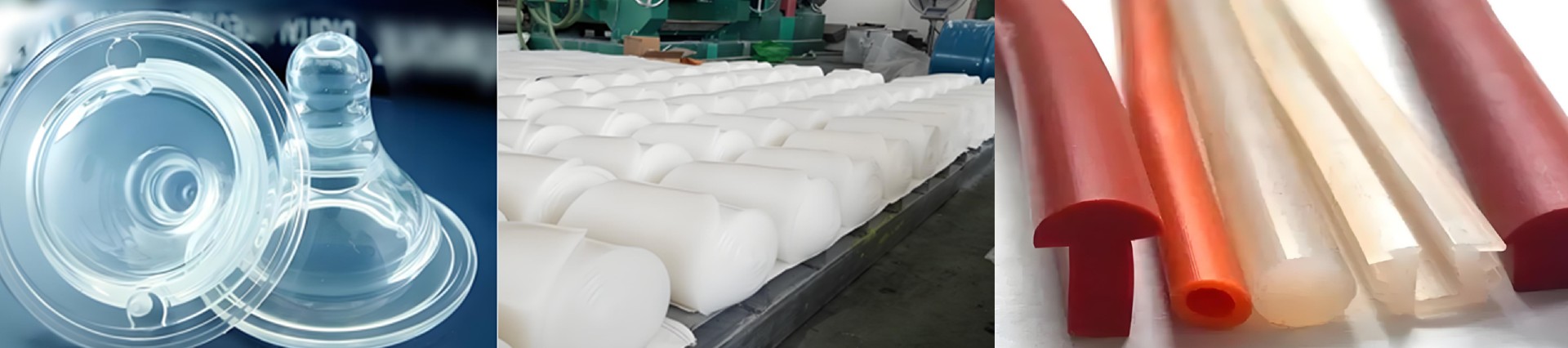
High strength and transparent products: O-rings, seals, extruded tubes
Medical and food grade: pacifiers, medical equipment, tableware, baby products
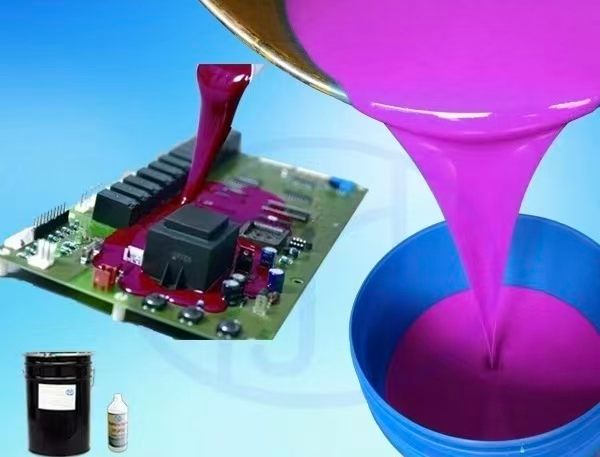
Electronic and electrical: Insulation layer for wires and cables, utilizing its excellent electrical properties of silicone rubber
The application of fumed silica in emerging fields.
The surface of gas-phase white carbon black is rich in highly active silicon hydroxyl groups. In the sulfuric acid solution, these particles are connected with each other through the hydrogen bond between the silicon hydroxyl groups to form a three-dimensional network structure, which "locks" the sulfuric acid electrolyte into it and becomes a non flowing gel. Thus, colloidal batteries have better stability, longer cycle life, better deep cycling performance, and smaller self discharge. In the applications of electric, communication, and solar photovoltaics, the use of gel cells has significant advantages.
-
In the chemical mechanical polishing (CMP) industry, the CMP slurry containing gas-phase white carbon black occupies an important position in CMP, which can ensure the high solid content of CMP slurry. At present, gas-phase white carbon black CMP slurry has been widely used in surface processing of silicon chips and titanium films.
The purity of silica in gas-phase white carbon black HQ-50 can reach over 99.8%, with no salt residue, no crystal water, and metal impurities as low as ppb level. It is currently the highest industrial purity artificial nano silica and can be fully adapted for production.
The application of fumed silica in emerging fields.
-
High cleanliness and strictness scenarios such as pharmaceuticals, food additives, precision electronics, optoelectronic packaging, etc.
When used in cosmetics and drugs for protection and transportation, gas-phase white carbon black can effectively reflect ultraviolet light, has extinction effect, and does not decompose or change color after irradiation; As a carrier, it can also prolong the efficacy and promote the absorption of drugs or skincare products.
-
The purity of silica in gas-phase white carbon black HQ-50 can reach over 99.8%, with no salt residue, no crystal water, and metal impurities as low as ppb level. It is currently the highest industrial purity artificial nano silica and can be fully adapted to high-purity and strict environments such as biomedicine, food additives, precision electronics, and optoelectronic packaging.
-
Characteristics of gas-phase silica in colloidal batteries
Colloids form a porous SiO2 network structure inside the battery, with numerous tiny gaps that allow oxygen generated from the positive electrode to migrate smoothly to the negative electrode plate, facilitating absorption and synthesis by the negative electrode.
When the battery is charged, the concentration of sulfuric acid in the electrolyte increases, causing it to "thicken" and accompanied by the formation of cracks. The "electrolytic water" reaction in the later stage of charging allows the oxygen produced by the positive electrode to be absorbed by the negative electrode through these countless cracks and further reduced to water,
-
Thus achieving the sealed cycle reaction of the battery. During discharge
The decrease in sulfuric acid concentration in the electrolyte makes it "dilute",
It has become the dilute gel state before pouring the battery again.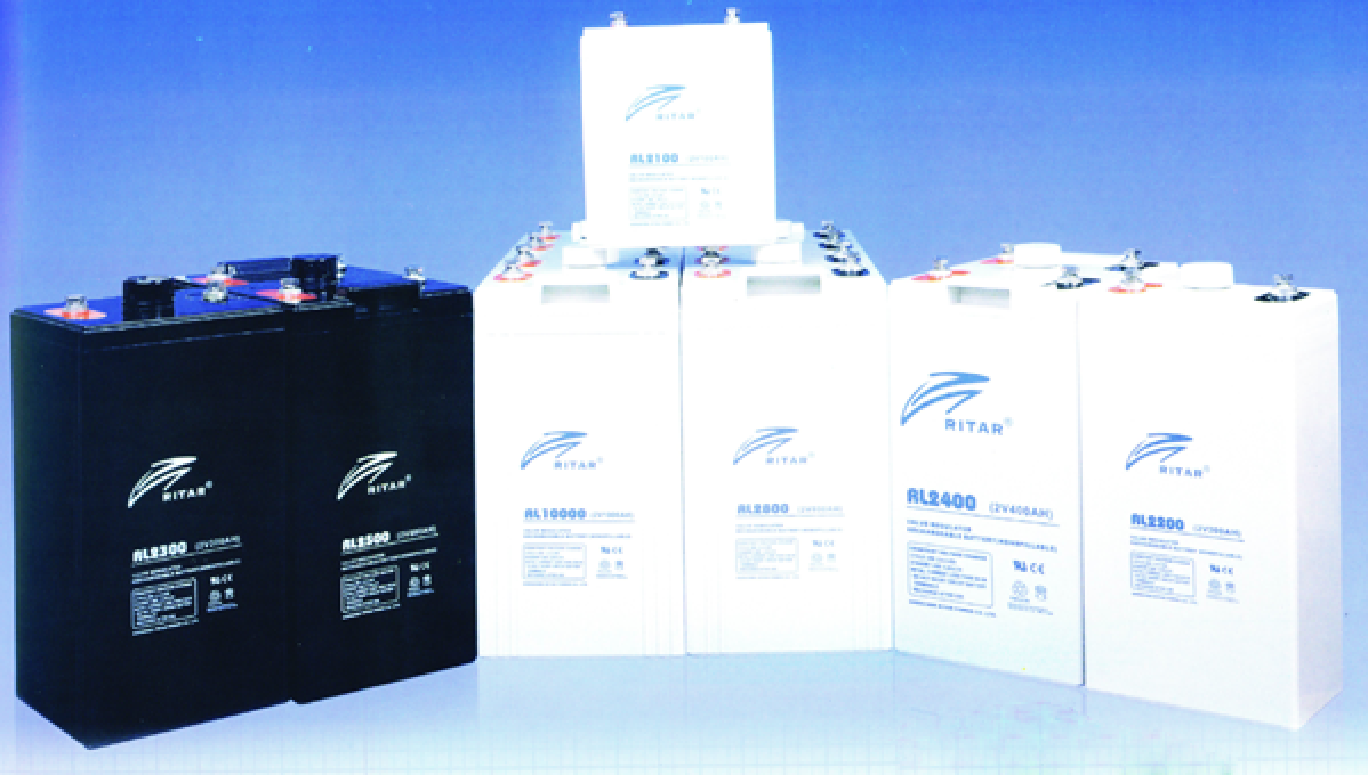
Dispersion requirements for gas-phase silica for colloidal batteries
When other conditions are the same, higher dispersion rate is conducive to obtaining gel electrolytes with high electrode capacity, low resistance and good thixotropy. Generally, it is required to maintain the circumferential velocity (i.e. linear velocity) of the motor and stirring blade of the disperser at 10-20m/s to meet the dispersion requirements.
The recommended equipment for use in the laboratory is FLUKO Fluke, FA25 high shear dispersing emulsifier
Recommended equipment for use on the production line: Shanghai Beierte Fluid Equipment Co., Ltd
4. High chemical purity
The SiO ₂ content of gas-phase white carbon black HQ-50 is ≥ 99.8%, making it suitable for impurity sensitive scenarios, including raw materials for ultra pure quartz glass, ceramic sintering aids, and fillers for thermoplastic polymers and silicone. In silicone rubber, high purity helps maintain electrical insulation and heat aging resistance.
Application of fumed silica in silicone rubber
The silicon hydroxyl groups (Si OH) on the surface of gas-phase silica can form physical or chemical bonds with silicone rubber macromolecules, forming a three-dimensional network structure of silica particles and rubber molecules, thereby achieving reinforcement effect.
Application of Gaseous Silicon Dioxide in Silicon CMP Polishing Liquid
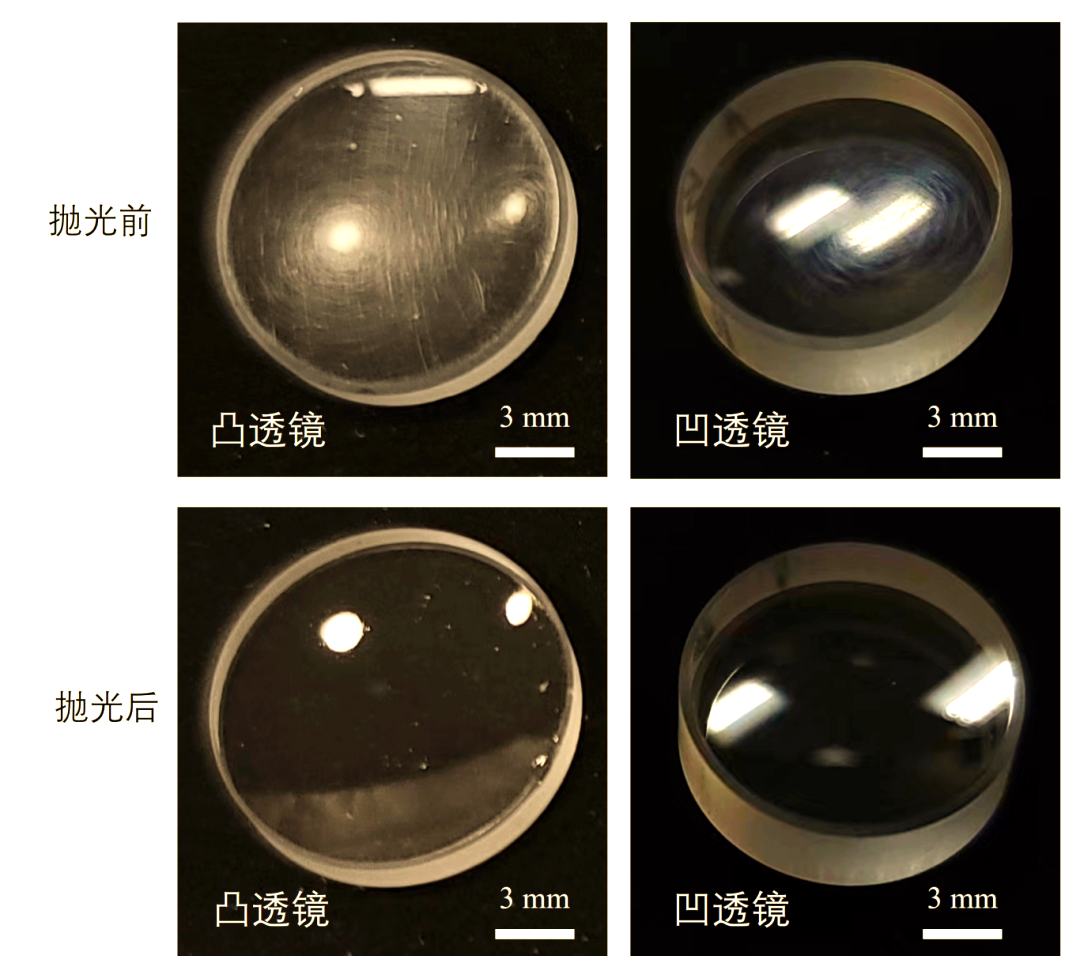
Gaseous silica is a classic abrasive in CMP polishing solution, with strong mechanical grinding force and a higher removal rate of SiO dielectric layer than colloidal silica. In the polishing of optical glass and precision components, gas-phase silicon dioxide CMP polishing solution occupies a prominent position due to its high removal efficiency. Its core value lies in the balance between "high removal rate" and "low cost", especially in the process where high planarization efficiency is required but relatively wide tolerance for defects is still irreplaceable.
Application of fumed silica in adhesives and sealants
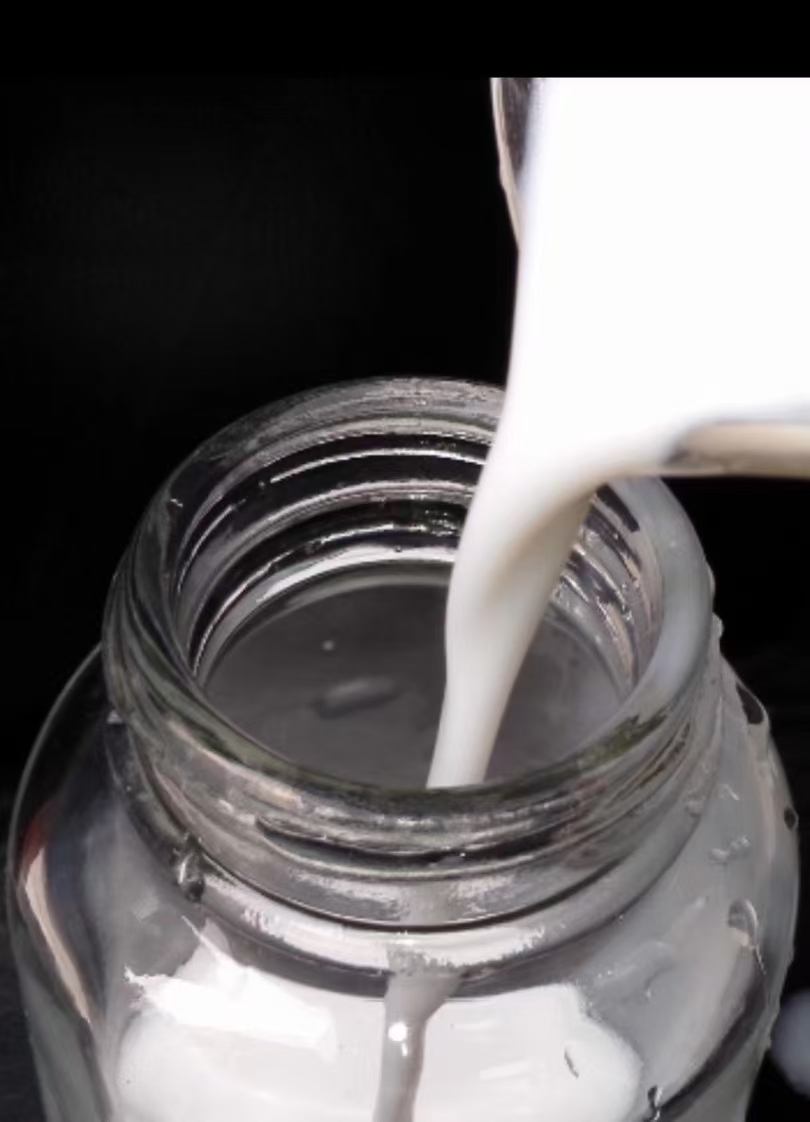
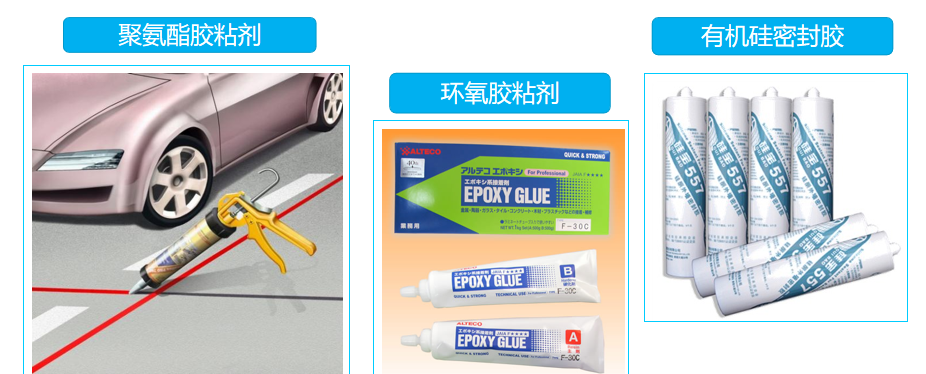
In adhesives and sealants, fumed silica mainly plays a role in rheological control and improving adhesive strength.
Application of fumed silica in paints and coatings
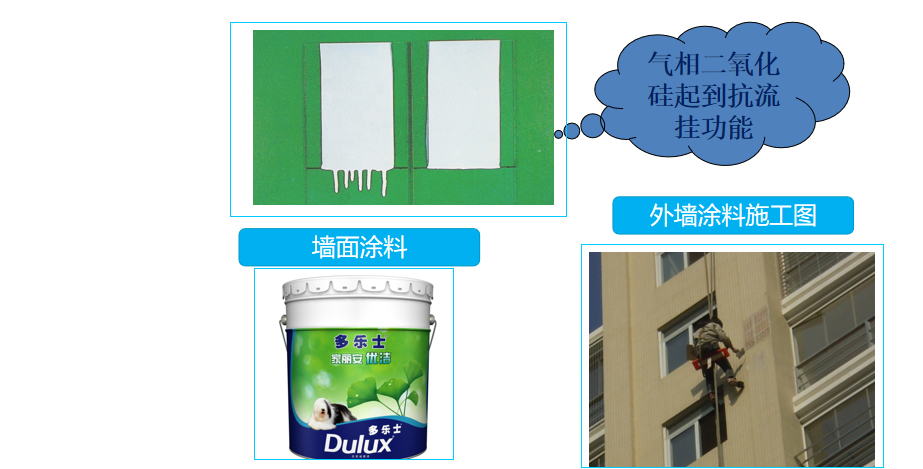
Gas phase silica is widely used in wall coatings, mainly to prevent coating sagging and improve the flatness of the construction surface.
Application of fumed silica in paints and coatings
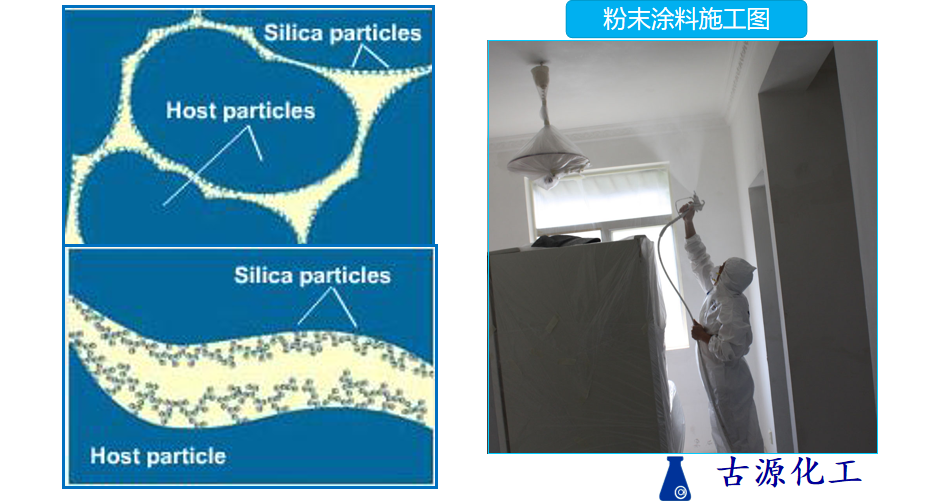
Gas phase silica adsorbs on the surface of powder coatings, forming a movable layer and generating a "ball rolling" effect, preventing the powder coating from absorbing moisture, preventing agglomeration, and improving the flowability of the powder coating.
Application of fumed silica in paints and coatings
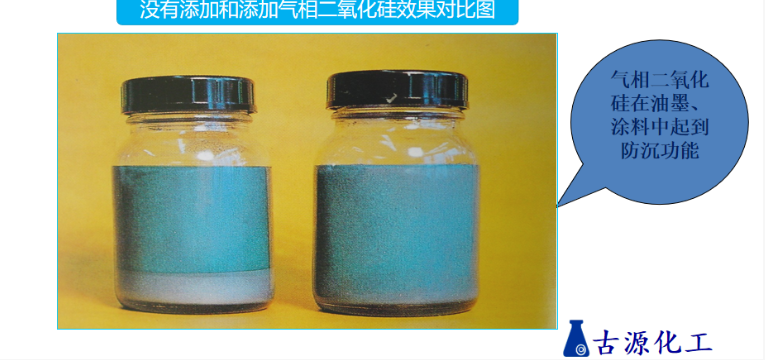
Gas phase silica is widely used in the fields of paint, ink, and coatings. Its main function is as a rheological agent and can effectively prevent the settling and delamination of pigments and fillers, improve the weather resistance and scratch resistance of coatings, and enhance the bonding strength between coatings and substrates.
Application of fumed silica in paints and coatings
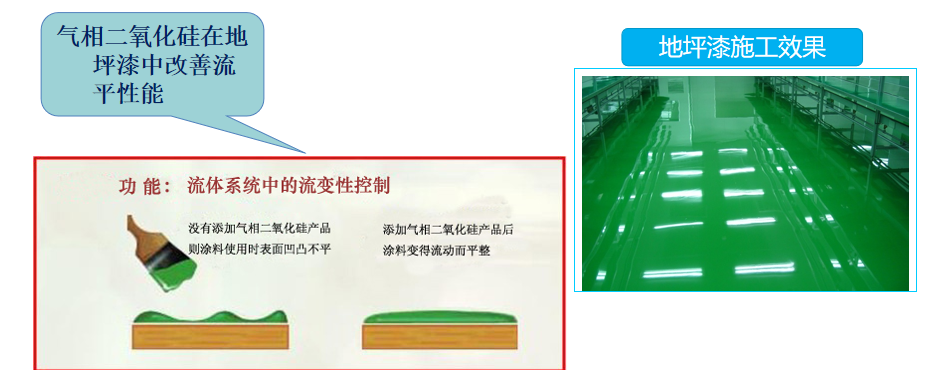
The main function of fumed silica in floor paint is to control rheology, improve the weather resistance and scratch resistance of floor paint, and enhance the leveling performance of coatings.
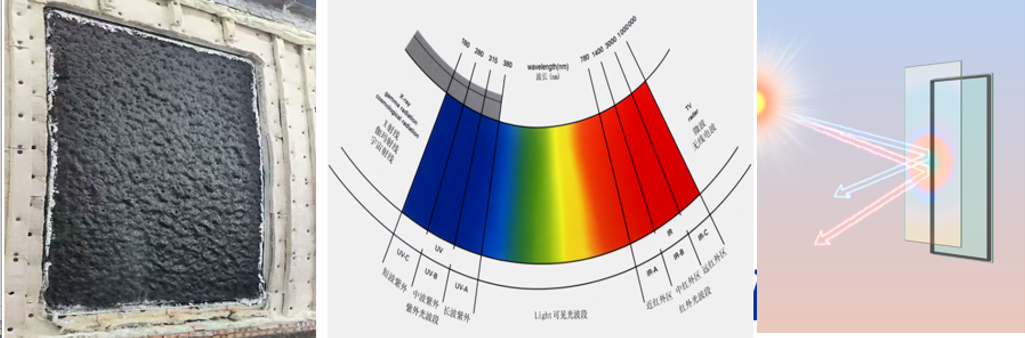
Application of HongQi HQ-50 gas-phase silica powder in nano silicon fire-resistant glass
The main function of HQ-50 gas-phase silica powder in fire-resistant glass is to utilize its low specific surface area, low viscosity, and high purity to manufacture and process highly filled and highly dispersed nano silicon fire-resistant liquids. The tetrahedral structure of nano silica, with individual particles presenting a porous and tunnel like structure, endows nano silica fire-resistant glass with excellent fire resistance properties; At the same time, due to the small primary particle size of gas-phase silica (7-300nm), it can filter and reflect ultraviolet radiation in the 280-400nm wavelength range, greatly reducing the degradation effect of ultraviolet radiation on the fire-resistant adhesive layer in composite fire-resistant glass, thereby delaying the yellowing, discoloration, aging and other problems caused by sunlight radiation in fire-resistant glass.
Application of fumed silica in high-performance plastics
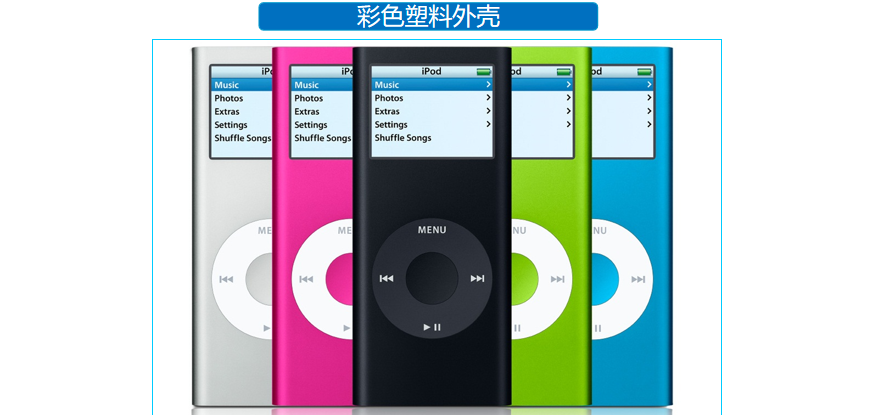
Adding gas-phase silica to plastics can improve the strength, toughness, wear resistance, and UV resistance of the material, as well as the processing performance and appearance of the product.
Application of fumed silica in green tires
In the tire industry, fumed silica can significantly improve the physical and mechanical properties of rubber materials, save fuel and reduce consumption, reduce tire rolling resistance, and effectively enhance safety performance in wet and slippery weather. Adding silicon to the tread formula can "lubricate" the friction between rubber molecules, effectively reducing energy loss and thus reducing rolling resistance, thereby saving fuel consumption of the vehicle.

Application of gas-phase silica in insulation and thermal insulation materials
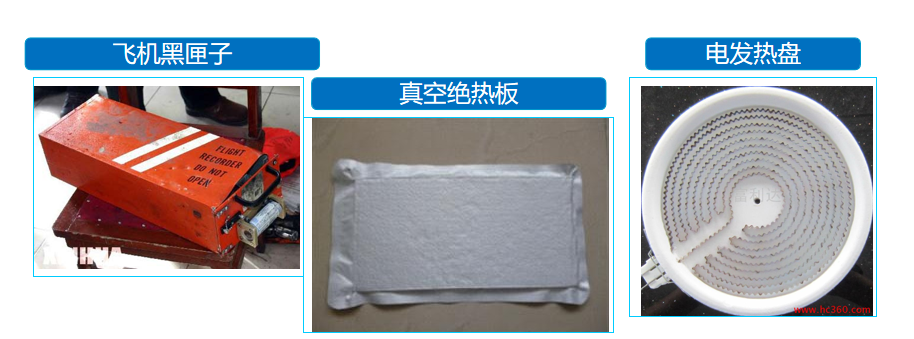
Gas phase silica has a large number of micropores inside and a high melting point, so it has good insulation effect and is widely used in insulation materials.
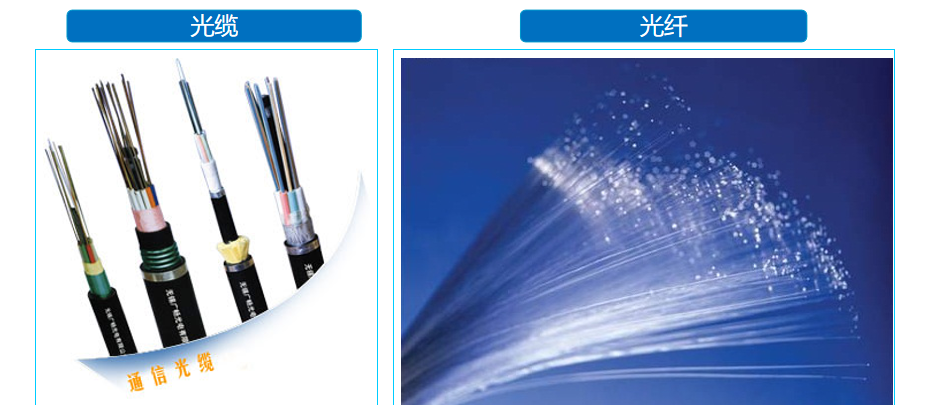
Application of fumed silica in the optical fiber industry
Adding gas-phase silica to the oil paste can provide good thickening and thixotropic effects, protecting optical fibers and cables.
Application of Gaseous Silicon Dioxide in Unsaturated Resin
Adding gas-phase silica to unsaturated resin can improve its thixotropy, giving the resin good tensile strength, bending resistance, water resistance, heat resistance, and other properties.

作者:东莞古源化工有限公司

扫一扫,微信咨询